Not everyone who leads starts with a leadership title. Emerging leaders are employees who show the potential to take on greater responsibility and lead others, even if they are not yet in formal leadership roles. They may be the ones who take initiative, bring colleagues together, or step up when a situation calls for it.
Moving into leadership brings a different set of challenges. Being good at your job does not automatically prepare you to lead a team, navigate different perspectives, or understand the impact of your decisions on others. Recognising emerging leaders early gives organisations the opportunity to support this transition. Through self-reflection, meaningful learning experiences and opportunities to practise new skills, employees can build the confidence and capabilities they need to take on leadership responsibilities.
How to Identify Emerging Leaders
Identifying emerging leaders goes beyond looking at who consistently delivers good results. While strong performance matters, leadership also involves how people work with others, respond to challenges, and take responsibility for their work.
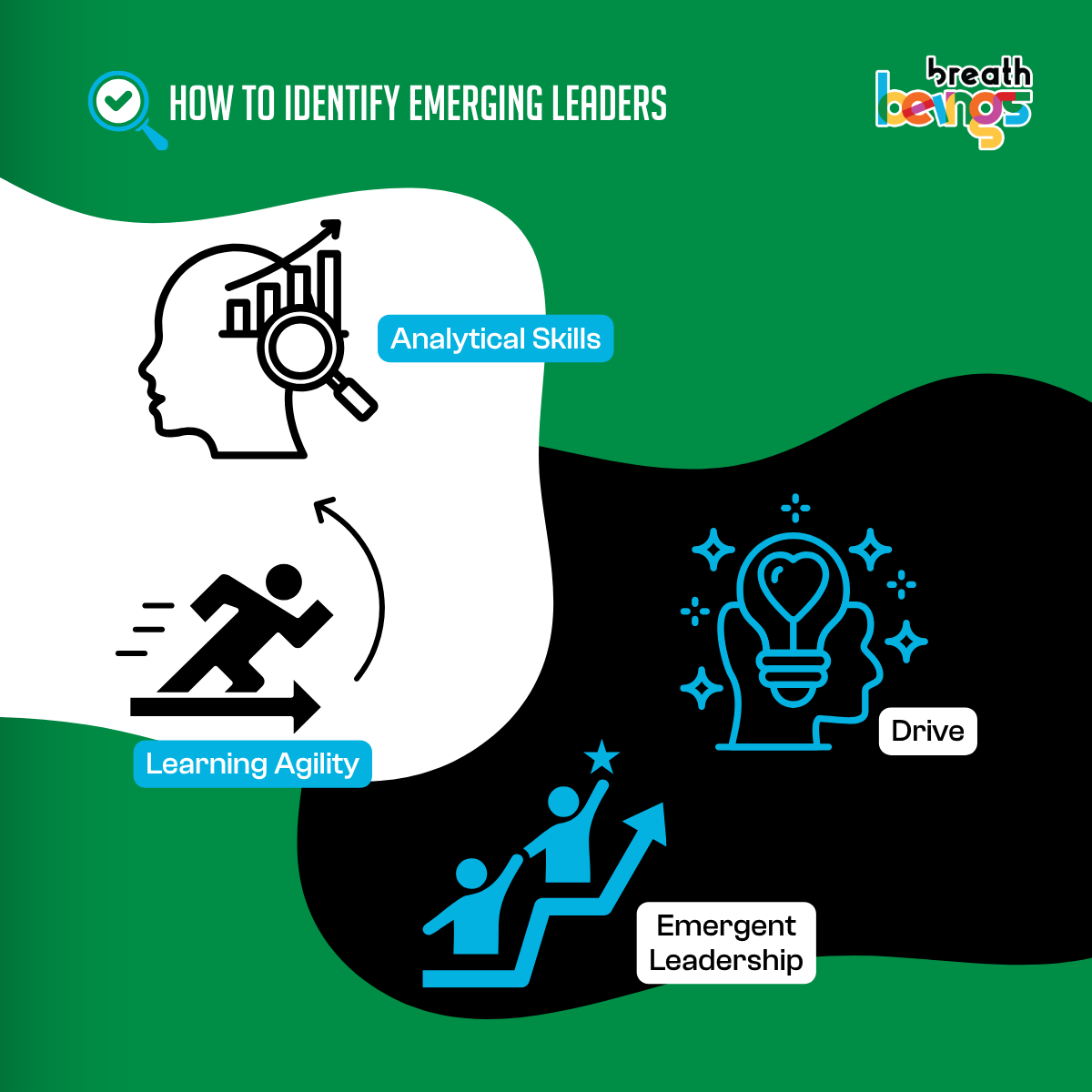
In a 2012 study published in Human Resource Management, Nicky Dries and Roland Pepermans highlight that four dimensions are important for understanding leadership potential, which are – analytical skills, learning agility, drive and emergent leadership. It offers a useful perspective on why potential should be assessed through multiple indicators rather than performance alone.
Employees who show initiative, follow through on commitments, adapt when circumstances change, and bring different perspectives together may demonstrate leadership potential. How they respond to feedback can also offer useful insights. Are they open to reflecting on their experiences, learning from setbacks, and considering different approaches? How do they navigate unfamiliar situations or collaborate when perspectives differ? A 2021 study by Allan H. Church and colleagues also highlights the importance of looking beyond current performance, analysing data from nearly 9,800 PepsiCo employees. The researchers found that assessing leadership potential alongside performance provided additional information when identifying high-potential employees and examining subsequent promotions.
Managers play an important role in noticing these behaviours over time. Providing fair opportunities to learn, make decisions and take on new challenges can help organisations better understand each person’s strengths and development needs. It is important, however, not to rely on a single behaviour or impression when assessing potential. Visibility, confidence or willingness to take on additional work do not necessarily indicate leadership readiness. We need a more considered approach that looks at multiple behaviours, experiences and conversations, while recognising that people may demonstrate leadership potential in different ways.
Why Emerging Leader Development Matters
Identifying employees with leadership potential is a starting point, but it does not automatically prepare them for the responsibilities ahead. The transition into leadership brings new expectations, from navigating different perspectives and making decisions to supporting others through change. Employees need opportunities to develop these capabilities before they are expected to put them into practice.
In What Leaders Really Do, John P. Kotter highlights the importance of identifying people with leadership potential and giving them experiences that help develop their capacity to lead. This reinforces the value of preparing employees for leadership rather than waiting until they step into formal roles.
For organisations, investing in emerging leader development is also a way to prepare for future leadership needs. Rather than waiting for a vacancy or transition to create urgency, organisations can begin building the skills and confidence their people will need in the roles ahead. This helps create a stronger foundation for leadership continuity.
Development also helps bridge the gap between what employees do well today and what their future responsibilities may require. Someone who excels in an individual role, for instance, may need support in influencing colleagues, handling difficult conversations, or navigating competing priorities. These capabilities take time and practice to develop. As workplaces change, emerging leaders also need to become comfortable working through uncertainty, adapting their approach and learning from experience. Structured training, supported by opportunities to apply learning at work, can help them prepare for these challenges.
Ultimately, developing emerging leaders is not simply about preparing people for their next promotion. It is about building leadership capability over time, so both employees and organisations are better equipped for what lies ahead.
How to Develop Emerging Leaders
Developing emerging leaders involves more than preparing them for a new role. It means helping them understand themselves, work effectively with others and navigate workplace challenges with greater confidence. Structured leadership development can provide opportunities to build these capabilities and apply them in practice.
A meta-analysis by Lacerenza and colleagues (2017), published in the Journal of Applied Psychology, found that leadership training can improve learning, workplace application, and results. This reinforces the importance of creating opportunities for employees to practise and apply what they learn.
Building Self-Awareness and the Ability to Influence
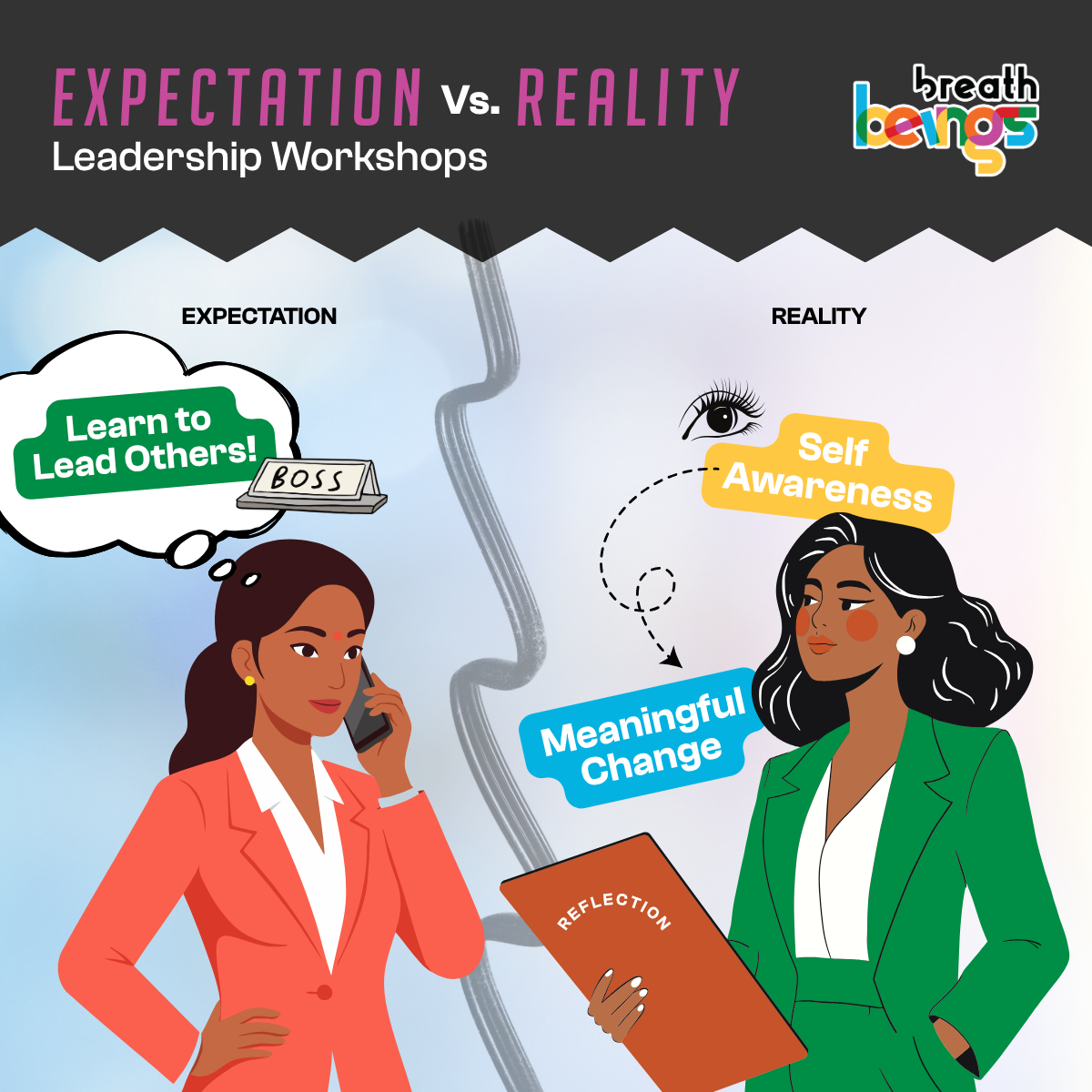
Leadership development begins with understanding oneself. Recognising one’s strengths, blind spots and patterns of behaviour helps emerging leaders understand how they respond to challenges and how their actions affect others. Emotional and social intelligence, clear communication and active listening can further help them navigate different perspectives, build trust and manage challenging conversations. These capabilities allow emerging leaders to work more effectively with others and ensure psychological safety around them even when they do not have formal authority.
Turning Learning into Lasting Change
Understanding leadership concepts is only the beginning. Emerging leaders need opportunities to practise new approaches, work through challenges and reflect on their experiences. Coaching, mentoring and constructive feedback can support this process, while clear development goals help individuals focus on areas for growth. Managers also play an important role by creating opportunities to apply learning at work and supporting continued development beyond formal training. Over time, these experiences can help employees strengthen their judgement and prepare for greater responsibility.
From Leadership Potential to Leadership Capability
Identifying emerging leaders is only the beginning. Organisations can miss the opportunity to develop their potential when they equate strong individual performance with leadership readiness, promote employees without preparing them for people-management responsibilities, or treat training as a one-time intervention. Without opportunities to practise new skills, receive feedback and reflect on their experiences, learning can be difficult to translate into lasting change.
Developing emerging leaders calls for a more intentional approach, one that recognises individual strengths, supports areas for growth and connects learning with real workplace challenges. With opportunities to practise, reflect and receive ongoing feedback, employees can strengthen their ability to navigate challenges, work with others and take on greater responsibility.
At Breath Beings, we believe leadership development begins with self-awareness and grows through experience, reflection and application at work. Our leadership development programmes help individuals build the capabilities they need to lead effectively, while supporting organisations in preparing their people for the responsibilities ahead.
Explore Breath Beings’ leadership development programmes to discover how we can support your organisation in developing emerging leaders.