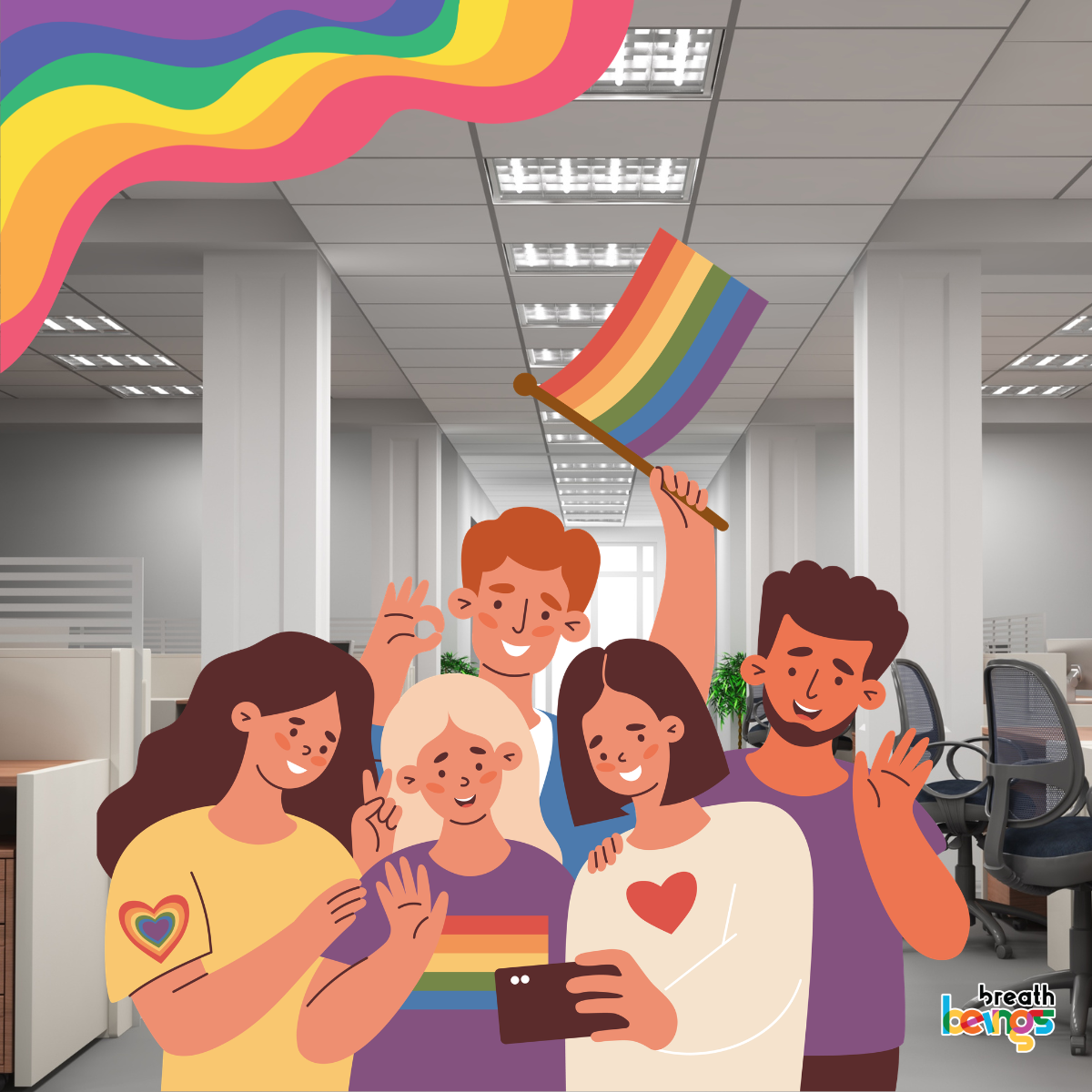
In 2018, when India decriminalized same-sex relationships, it marked a historic legal victory. For many organizations, it also became the moment to start conversations about LGBTQIA+ inclusion.
Fast forward to today, and the landscape looks remarkably different.
Rainbow logos appear every June. Companies host Pride panels, allyship workshops, and awareness campaigns. Employee Resource Groups (ERGs) are thriving. Inclusive policies are finding their way into employee handbooks. More leaders are speaking publicly about allyship than ever before.
These are meaningful shifts.
But an important question remains:
Has inclusion become part of how organizations function, or is it still something they celebrate once a year?
The answer, for many workplaces, is somewhere in between.
The Progress We Cannot Ignore
Corporate India has undeniably made significant strides over the last decade.
Many organizations have expanded healthcare benefits for same-sex partners, introduced gender-neutral parental leave, created transition support policies, established LGBTQIA+ Employee Resource Groups, and implemented inclusive hiring initiatives.
Leaders are increasingly participating in conversations around inclusion, not simply delegating them to HR or DEI teams.
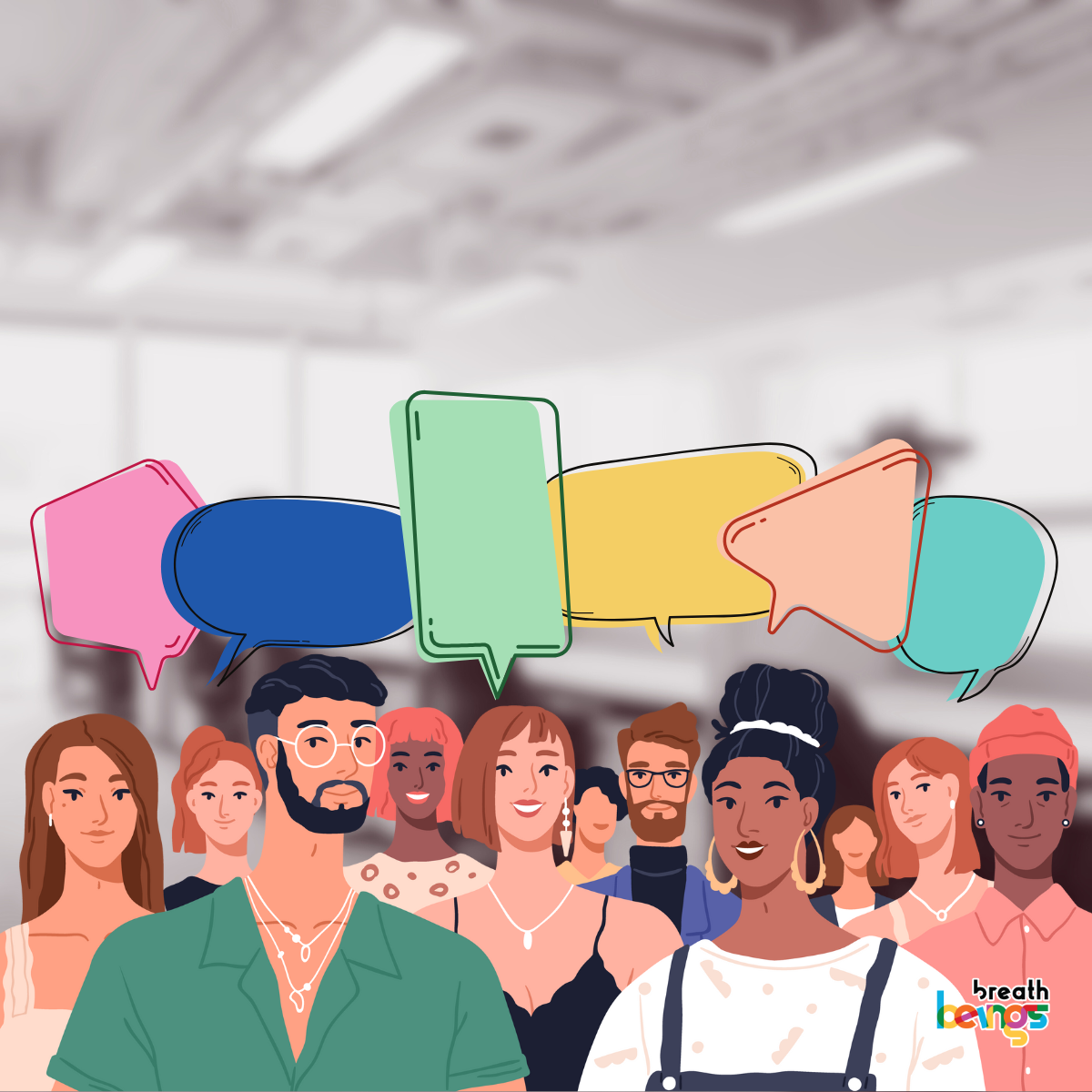
Perhaps most importantly, employees today are more willing to ask questions, challenge biases, and become allies.
The conversation has evolved from “Should we talk about LGBTQIA+ inclusion?” to “How do we build workplaces where everyone belongs?”
That shift matters.
Because visibility creates possibility.
When people see authentic representation around them, it signals that there is space for them to exist without hiding who they are.
But Visibility Isn't the Same as Belonging
A Pride campaign can increase awareness.
It cannot, by itself, create psychological safety.
Many LGBTQIA+ professionals continue to ask themselves questions that their colleagues never have to consider.
- Can I mention my partner without editing the story?
- Is it safe to come out to my manager?
- Will this affect my career progression?
- Will people start treating me differently?
- Will I become “the LGBTQ person” instead of simply being known for my work?
These questions don’t disappear because an organization hosted a Pride Month event.
They disappear when everyday workplace experiences consistently communicate acceptance.
Belonging is rarely built through a single initiative.
It is built through thousands of small moments.
Inclusion Lives in Everyday Decisions
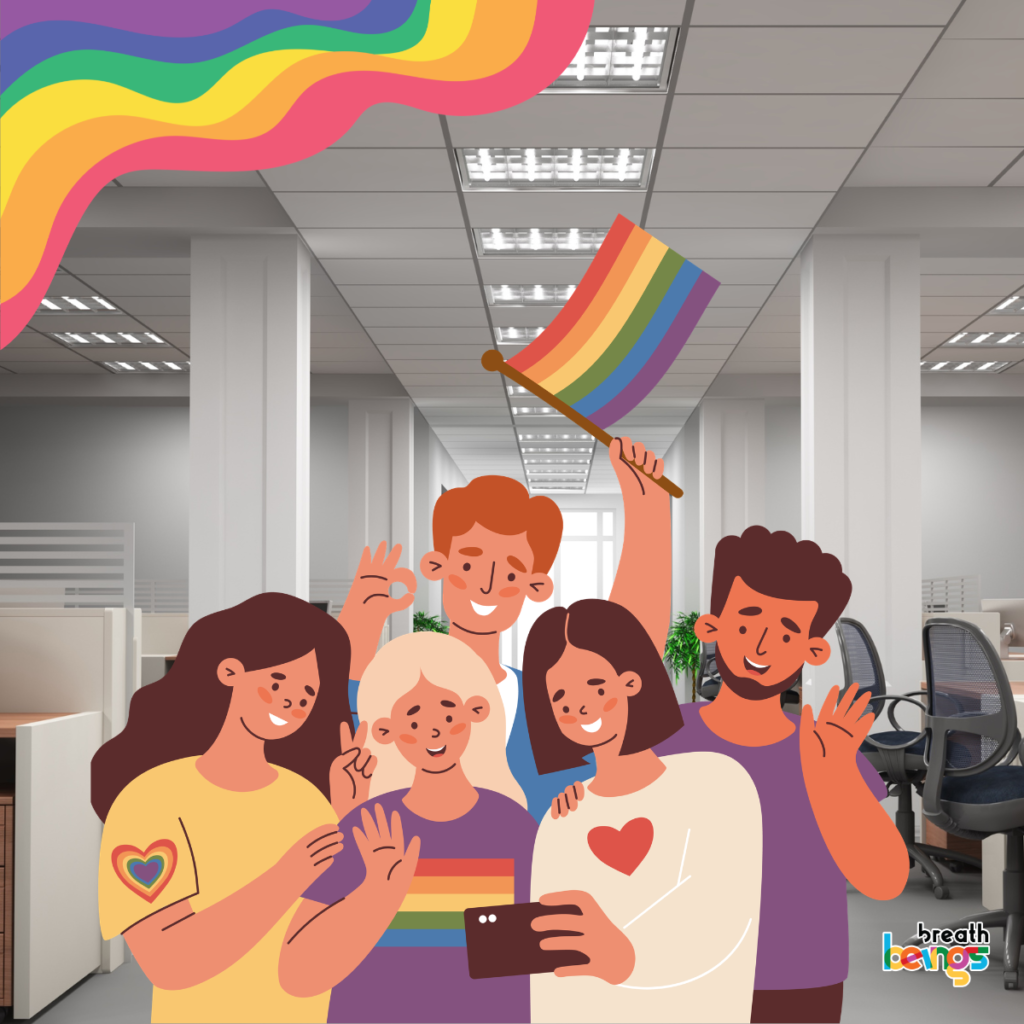
The most inclusive organizations understand that Pride isn’t an event.
It’s embedded into everyday workplace systems.
It shows up in recruitment processes that reduce bias.
- In managers who know how to respond when someone comes out.
- In leaders who interrupt insensitive jokes rather than remaining silent.
- In HR teams that continuously review policies through an inclusion lens.
- In colleagues who ask for pronouns respectfully instead of making assumptions.
- In meetings where everyone feels safe contributing, not because they were invited, but because they know they’ll be heard.
Inclusion isn’t measured by the number of campaigns an organization runs.
It’s measured by how safe people feel on an ordinary Tuesday afternoon.
The Next Frontier: From Awareness to Accountability
Many organizations have already completed the first chapter of LGBTQIA+ inclusion.
The next chapter is more complex.
It requires moving beyond awareness sessions and asking harder questions.
- Are LGBTQIA+ employees represented across leadership levels?
- Do managers feel equipped to lead inclusive teams?
- Are policies translating into lived experiences?
- Is allyship visible throughout the year, or only in June?
- Are inclusion efforts reaching manufacturing units, retail teams, operations, and frontline employees, or only corporate offices?
The future of workplace inclusion lies not in adding more initiatives, but in embedding inclusion into leadership, culture, systems, and everyday behaviour.
Pride Is a Journey, Not a Campaign
Pride has always been about courage.
- The courage to exist authentically.
- The courage to challenge systems.
- The courage to imagine workplaces where nobody has to choose between being themselves and succeeding professionally.
Corporate India has undoubtedly moved forward.
But the destination isn’t rainbow branding.
It’s workplaces where LGBTQIA+ employees don’t have to wonder whether they belong.
They simply know they do.
Because the most inclusive organizations aren’t remembered for what they post in June.
They’re remembered for how people feel every single day of the year.