
In many organizations, the move from manager to leader is often expected to happen naturally. Someone performs well, delivers results, and is promoted into a role with greater responsibility. On paper, it makes sense. Yet many organizations eventually realize that being effective at managing work is different from leading people.
Leadership requires balancing performance and people, direction and uncertainty, accountability and care, outcomes and relationships. That shift rarely happens through promotion alone. It needs reflection, growth, and support.
Management creates structure, while leadership creates movement. Management asks how to get the work done well. Leadership asks how to bring out the best in people while doing the work. Organizations need both, but many people enter leadership roles without fully developing the capabilities those roles require. Those capabilities are often less about authority and more about awareness, judgment, presence, and people leadership.
This is where leadership development programs become valuable. They help people move from managing tasks to leading others with greater awareness, confidence, and maturity. Because the gap between management and leadership is often not capability alone, but mindset, relational skill, and inner capacity. When organizations support that transition well, the benefits are seen in performance, trust, culture, engagement, and growth.
Why the Gap Between Management and Leadership Exists
Most organizations are not lacking talent. What is often missing is a structured way to help talented people grow into leadership with intention. The gap between management and leadership often exists not because people are not capable, but because leadership asks for capacities that are rarely built by performance alone.
1. People Are Often Promoted for Performance, Not Yet for Leadership Readiness
High performers are often promoted because they are reliable, capable, and consistent. However, leading others requires different strengths than succeeding individually.
Someone may be excellent at solving problems, owning outcomes, and driving delivery, yet still need support with delegation, coaching, difficult conversations, conflict management, feedback, and team development. Leadership is a different discipline, and like any discipline, it requires guidance, practice, and reflection.
2. Leadership Development Must Go Beyond Skills Alone
Many programs focus on communication, delegation, feedback, and decision-making. These are important skills, but leadership also requires deeper inner work.
Leadership moments are often human rather than technical. They are shaped by habits, assumptions, and responses under pressure. Strong programs help leaders understand how they respond to stress, what beliefs shape their leadership style, what patterns they repeat, and what kind of leader they want to become. That is often where deeper growth begins.
3. The Nature of Leadership Has Changed
Today’s leaders must navigate constant change, hybrid and remote teams, burnout concerns, generational differences, inclusion, and growing interpersonal complexity.
Leadership now requires clarity, steadiness, trust-building, and the ability to balance performance with humanity. That is why leadership development must continue evolving as well.

What Leadership Development Programs Are Really Designed to Do
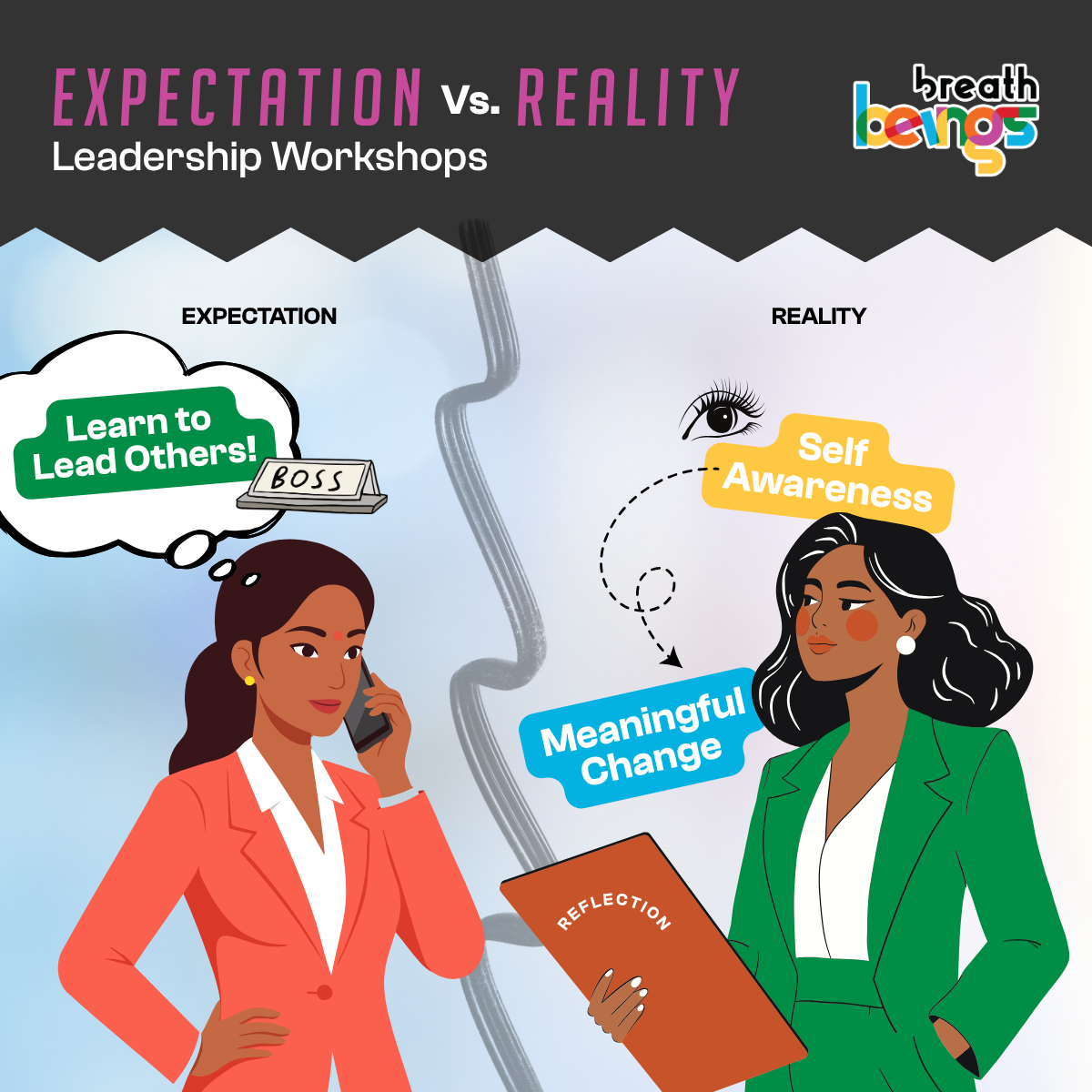
1. They Build Self Awareness Before Skill
Leaders need to understand how they impact others before they can lead effectively. Programs help participants reflect on their leadership style, strengths, blind spots, reactions under pressure, and habits that shape their presence. Self-awareness is often the foundation of effective leadership.
2. They Strengthen Human Skills That Shape Team Performance
Team success depends heavily on trust and relationships. Strong programs build communication, active listening, coaching, feedback, conflict resolution, expectation setting, and presence in difficult conversations.
These are often called soft skills, but they strongly influence culture, collaboration, and results.
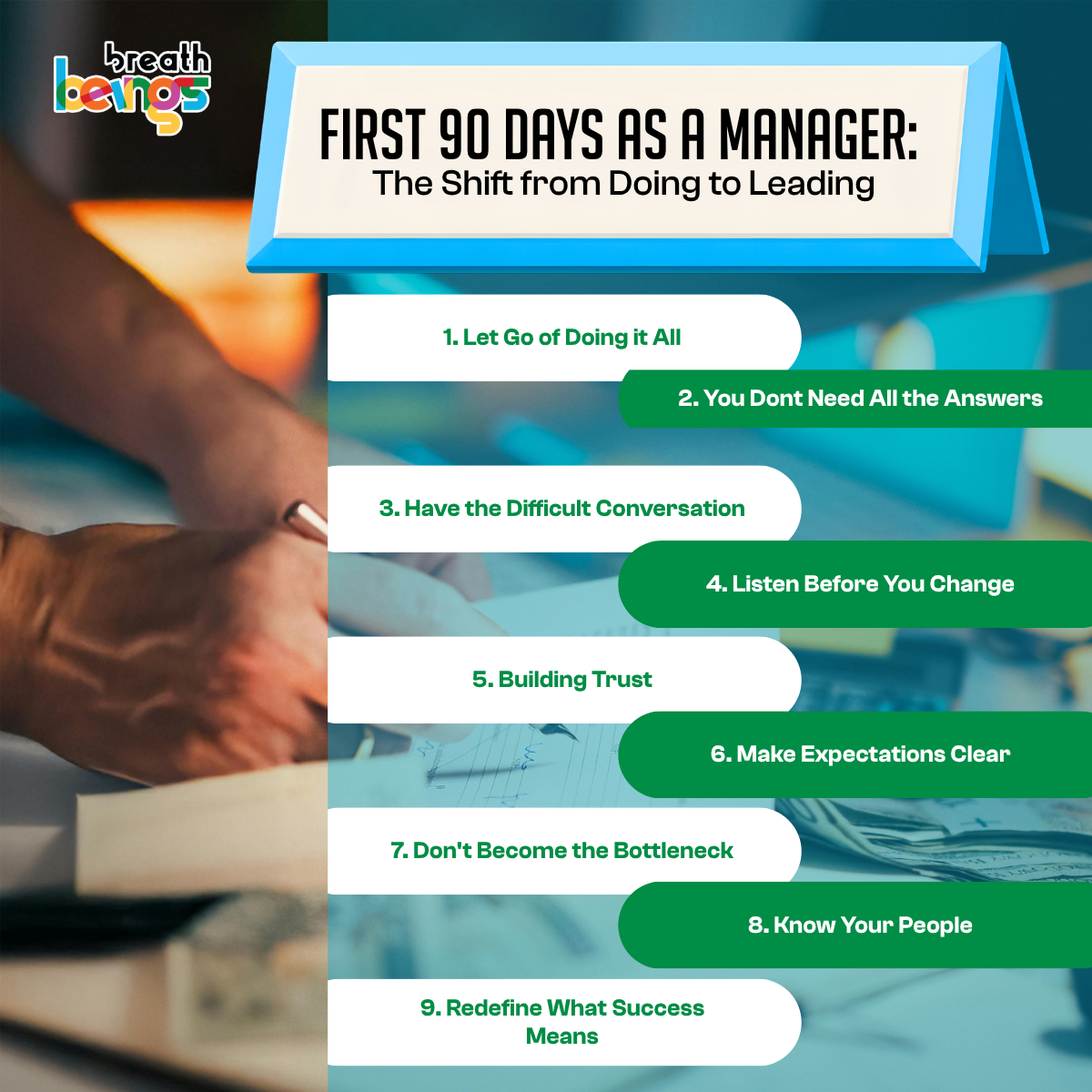
3. They Help Managers Shift From Doing to Enabling
Many managers succeed through personal excellence and hands-on contribution. Leadership asks a new question: how do I help others do this well?
Programs help leaders delegate intentionally, coach instead of over-solving, create ownership in others, and build confidence and capability across the team. This creates stronger, more independent teams.
4. They Build Psychological Safety and Accountability
Strong teams need both trust and responsibility. People do their best work when they feel able to ask questions, share ideas, admit mistakes, and challenge respectfully, while still being held to clear standards.
Programs help leaders create psychological safety, manage difficult conversations well, give effective feedback, and maintain accountability without becoming rigid. Healthy cultures are built through these everyday leadership interactions.
5. They Turn Insight Into Practice
Leadership grows through action, not theory alone. Effective programs often include real workplace scenarios, role plays, peer learning, reflection, coaching conversations, and live business application.
Leadership strengthens through repetition, experimentation, and practice. Insight becomes valuable when it changes behavior in real moments.
6. They Align Leadership With Culture and Business Reality
Leadership development works best when tailored to the organization. Strong programs ask what kind of leadership is needed now, what behaviors support the desired culture, where leaders need more maturity or consistency, and how leadership growth can support business goals.
When aligned with real context, development becomes more relevant, practical, and sustainable.
The Impact of Bridging the Gap
When organizations help managers become stronger leaders, the results are often seen across many levels. Common outcomes include stronger engagement, better communication, healthier collaboration, improved conflict management, higher retention, more trust, and greater leadership consistency.
Deeper shifts are just as meaningful. Leaders begin to pause before reacting, listen more fully, create calm clarity, support growth intentionally, and lead with steadiness and humanity. Over time, this shapes the everyday experience of work.
Why Leadership Development Is Worth Investing In
Leadership today strongly influences engagement, retention, collaboration, inclusion, resilience, innovation, and long-term business performance.
That is why leadership development is no longer just training. It is a strategic investment in how organizations lead, work, and grow together.
Leadership today is not only about directing work. It is about creating conditions where people can do meaningful work well. That requires presence, maturity, reflection, and intention.
Conclusion
Management helps work move, while leadership helps people grow while the work moves. That is the real difference.
Strong leadership development programs help people move beyond execution into deeper leadership. They build self-awareness, strengthen people leadership, improve management capability, and support the mindset shifts needed to lead with trust, clarity, and confidence.
For organizations seeking stronger culture, stronger managers, and stronger business outcomes, this is not just about helping people lead better. It is about helping them lead more consciously. And that is where meaningful leadership begins.