A meeting starts. One employee shares an idea in fluent English and gets immediate attention. Another person says something equally valuable but struggles slightly with pronunciation. The room moves on without noticing their point.
Nobody planned to ignore them. Nobody wanted to be unfair. But this is how unconscious bias quietly works inside workplaces every single day. In global companies, people from different cultures, languages, age groups, and backgrounds work together constantly. These differences can bring creativity, stronger ideas, and better problem-solving.
But they can also create invisible walls between people. Unconscious bias training helps employees recognize those walls before they damage trust, teamwork, and growth.
The Problem Most Companies Don’t Notice
Many businesses believe bias only exists when someone openly behaves badly. That is not true. Most workplace bias is subtle. It hides inside normal conversations, quick assumptions, hiring decisions, feedback sessions, and everyday team interactions.
A manager may unconsciously trust employees who speak confidently in meetings. A team member may assume a younger colleague lacks experience. Someone with a different accent may get interrupted more often without people realizing it.
These moments may seem small. But when they happen again and again, employees start feeling invisible. That feeling changes everything. People stop sharing ideas freely. They avoid speaking in meetings. They become less confident around leadership. Slowly, talented employees begin disconnecting from the workplace.
And the worst part? Most teams never realize why it is happening.
The Hidden Costs of Working Across Borders
Global teams bring different cultures, communication styles, and ways of thinking together. In some cultures, speaking loudly shows confidence, while in others, quiet listening shows respect. Some employees communicate directly, while others speak carefully and avoid public disagreement.
Without awareness, these differences are often misunderstood. Quiet employees may seem passive, and direct communicators may appear rude. Employees speaking in a second language may also be judged unfairly.
Implicit bias training helps teams understand these differences, reduce quick judgments, and build more respectful communication across multicultural workplaces.
The Real Purpose of Unconscious Bias Training
This Is Where Team Culture Starts to Shift
Unconscious bias training changes how employees interact with each other every day. People begin listening more carefully instead of making quick assumptions. Meetings become more inclusive, quieter voices receive attention, and managers make fairer decisions. Employees also become more mindful about stereotypes, cultural differences, and communication styles.
These small behavior changes create emotionally safe workplaces where people feel respected and comfortable sharing ideas. When employees feel valued, teamwork improves naturally, collaboration becomes stronger, and people stay more connected to the organization for a longer time.
Inclusion Is Not About Policies Alone
There’s a gap most companies don’t talk about, the one between saying you value diversity and actually making people feel it. Employees know the difference. They feel it in whether their voice carries weight in a meeting, whether their accent gets them taken less seriously, whether anyone notices when they go quiet.
Belonging grows through everyday behavior, not company values written on a website. Our training helps people close that gap, one interaction at a time.
Employees Remember How a Workplace Makes Them Feel
Employees may forget deadlines or meetings, but they remember how a workplace made them feel. When people feel ignored, judged, or uncomfortable, they slowly stop sharing ideas and disconnect from the team. Many employees even hide parts of themselves just to fit into workplace culture.
Unconscious bias training helps create emotionally safe workplaces where employees feel respected, heard, and valued. When people feel accepted for who they are, communication improves, teamwork becomes stronger, and employees contribute more confidently to the organization’s growth and success.
The Business Impact Is Bigger Than People Think
Unconscious bias does not only affect employee experience, it also affects business growth. When employees feel ignored or unfairly judged, teamwork becomes weaker, communication suffers, and creativity drops.
Over time, talented employees may leave the organization. Inclusive workplaces, however, often build stronger collaboration, better innovation, healthier workplace relationships, and higher employee retention.
Global companies need different perspectives and ideas to succeed in competitive markets. That is why unconscious bias training is no longer optional. It has become an important part of building stronger, more successful, and people-focused organizations.
Bias Affects Leadership More Than Companies Realize
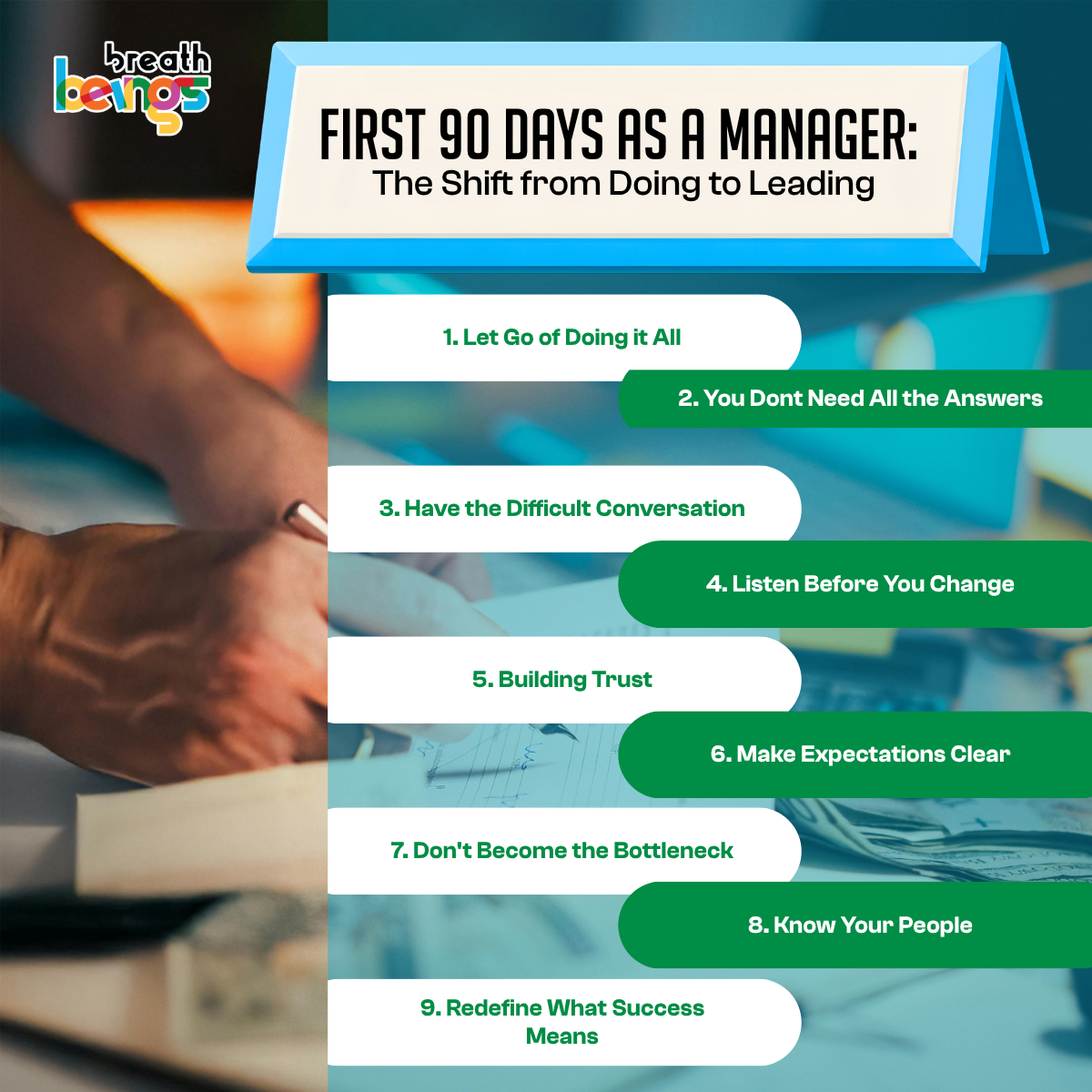
Leadership decisions influence promotions, opportunities, mentorship, and employee growth. Without realizing it, leaders may favor employees who feel familiar or communicate similarly to them. This can cause talented employees from different backgrounds to feel overlooked and disconnected.
Over time, teams begin questioning fairness and belonging in the workplace. Unconscious bias training helps leaders become more aware of these patterns and make fairer decisions based on skills, performance, and potential. Fair leadership builds stronger trust, improves team morale, and creates healthier workplace relationships across global organizations.
Conclusion
Strong global teams are not built only through talent, technology, or business strategy. They are built through trust, fairness, and the ability to make every employee feel valued regardless of culture, language, or background. Companies that ignore unconscious bias risk losing not only people, but also ideas, innovation, and long-term growth. Organizations that actively address it build stronger leadership, healthier collaboration, and more resilient workplace cultures.
Ready to create a more inclusive and people-focused workplace? Connect with Breath Beings to bring meaningful unconscious bias training to your teams.